
Low Testosterone Treatment in Channahon, Joliet, Minooka & Surrounding Illinois Communities
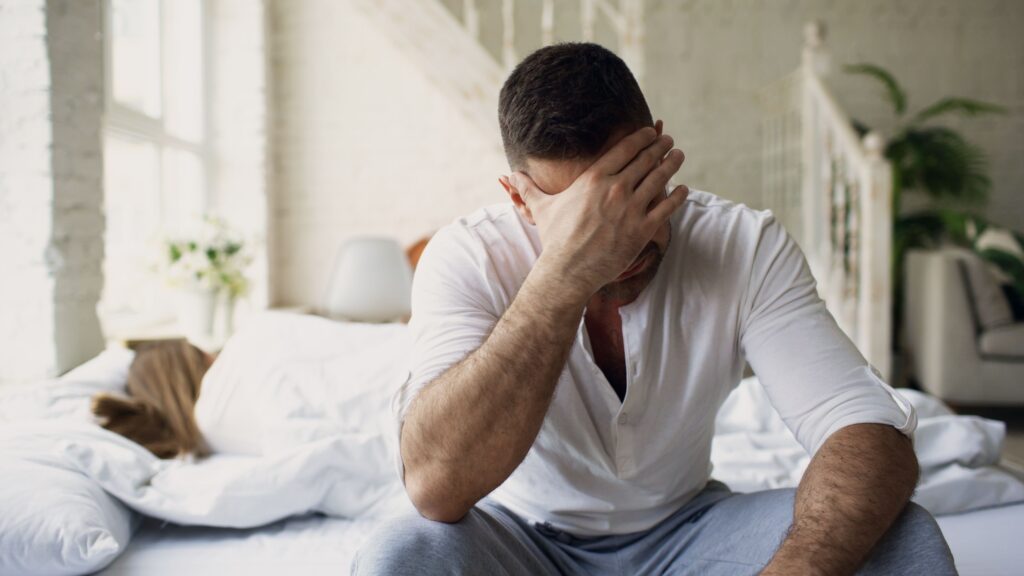
Have you been feeling more tired than usual, struggling to build muscle despite working out, or noticing a decrease in your sex drive? While many men assume these changes are simply part of getting older, they may actually be signs of low testosterone.
Testosterone plays an important role in energy, mood, muscle mass, sexual health, bone strength, and overall well-being. When levels decline—or become too low for your body’s needs—it can significantly affect your quality of life.
At LuxeMed Wellness & Aesthetics in Channahon, Illinois, we help men throughout Channahon, Joliet, Minooka, Shorewood, Plainfield, Morris, Coal City, and surrounding communities identify the underlying causes of low testosterone and create personalized treatment plans to help them feel their best.
What Is Testosterone?
Testosterone is the primary male sex hormone produced mainly in the testicles. It influences much more than sexual function.
Healthy testosterone levels help support:
- Energy and stamina
- Muscle growth and strength
- Healthy body composition
- Libido and erectile function
- Mood and confidence
- Mental focus and memory
- Bone density
- Red blood cell production
Because testosterone affects multiple systems throughout the body, low levels can produce a wide variety of symptoms.
When Does Testosterone Begin to Decline?
Testosterone levels typically peak during the late teens and early 20s.
For many men, testosterone begins to gradually decline around age 30, often by about 1% per year. However, this decline is not the same for everyone.
Some men maintain healthy testosterone levels well into their 50s and 60s, while others experience symptoms much earlier due to factors such as:
- Obesity
- Chronic stress
- Poor sleep
- Obstructive sleep apnea
- Type 2 diabetes
- Certain medications
- Chronic illness
- Excess alcohol use
- Previous anabolic steroid use
Age alone does not determine whether treatment is appropriate. Symptoms, medical history, physical examination, and laboratory testing all play an important role.
Common Signs of Low Testosterone
Low testosterone can develop gradually, making it difficult to recognize at first.
Common symptoms include:
Fatigue and Low Energy
Feeling exhausted despite adequate sleep is one of the most common complaints among men with low testosterone.
Decreased Libido
A noticeable decline in sexual desire is often one of the earliest signs.
Erectile Changes
Some men notice fewer spontaneous morning erections or increased difficulty maintaining erections. Erectile dysfunction can have many causes, so a comprehensive evaluation is important.
Loss of Muscle Mass and Strength
If you’re exercising consistently but finding it increasingly difficult to gain muscle or maintain strength, declining testosterone may be contributing.
Increased Body Fat
Many men notice weight gain around the abdomen along with difficulty losing fat despite healthy habits.
Brain Fog
Low testosterone may contribute to difficulty concentrating, poor motivation, decreased focus, and memory concerns.
Mood Changes
Some men experience irritability, decreased confidence, anxiety, or symptoms of depression.
Slower Recovery
Recovery after exercise may take longer, making workouts feel more difficult than they once did.
How Is Low Testosterone Diagnosed?
A diagnosis of testosterone deficiency is based on both symptoms and laboratory testing.
At LuxeMed Wellness & Aesthetics, we perform a comprehensive evaluation that may include:
- Total Testosterone
- Free Testosterone
- Sex Hormone Binding Globulin (SHBG)
- Estradiol
- Luteinizing Hormone (LH)
- Follicle Stimulating Hormone (FSH)
- Complete Blood Count (CBC)
- Comprehensive Metabolic Panel (CMP)
- Thyroid testing
- Additional laboratory studies when clinically indicated
Testing helps identify not only whether testosterone is low, but also potential underlying causes that may need to be addressed.
What Treatment Options Are Available?
Treatment depends on your age, symptoms, laboratory findings, medical history, and future fertility goals.
Testosterone Replacement Therapy (TRT)
For men with confirmed testosterone deficiency who are appropriate candidates, testosterone replacement therapy may help improve symptoms.
Treatment options may include:
- Testosterone injections
- Topical testosterone creams
- Other formulations based on individual needs
Potential benefits may include improvements in:
- Energy
- Libido
- Mood
- Exercise recovery
- Lean muscle maintenance
- Mental clarity
- Overall quality of life
Results vary from person to person, and ongoing monitoring is essential.
Fertility-Preserving Options
For younger men who wish to maintain fertility, medications such as enclomiphene or human chorionic gonadotropin (hCG) may be appropriate in selected cases. These treatments stimulate the body’s own testosterone production rather than replacing testosterone directly.
The right treatment depends on your goals and overall health.
TRT Requires Ongoing Monitoring
Safe testosterone therapy involves regular follow-up.
Patients receiving TRT should have periodic evaluations that may include:
- Testosterone levels
- Estradiol
- Complete Blood Count (CBC)
- Comprehensive Metabolic Panel (CMP)
- PSA (when age- and risk-appropriate)
- Blood pressure
- Symptom review
Treatment plans are adjusted based on both symptoms and laboratory results.
Lifestyle Still Matters
Hormone therapy is only one piece of the puzzle.
Healthy testosterone levels are best supported by:
- Regular resistance training
- Maintaining a healthy weight
- Adequate protein intake
- Seven to nine hours of quality sleep
- Stress management
- Limiting excessive alcohol consumption
- Treating conditions such as sleep apnea when present
These lifestyle factors often improve overall health and may enhance treatment outcomes.
Why Choose LuxeMed Wellness & Aesthetics?
At LuxeMed, we take a personalized approach to men’s health.
Our hormone optimization program includes:
- Comprehensive consultation
- Advanced laboratory evaluation
- Individualized treatment plans
- Ongoing medical monitoring
- Lifestyle and nutrition guidance
- Regular follow-up to optimize results and safety
We believe in treating the whole patient—not just a laboratory number.
Schedule a Low Testosterone Consultation Near Channahon, Joliet & Minooka
If you’re experiencing fatigue, low libido, decreased motivation, loss of muscle, or other symptoms of low testosterone, our team is here to help.
LuxeMed Wellness & Aesthetics proudly serves patients throughout Channahon, Minooka, Joliet, Shorewood, Plainfield, Morris, Coal City, and surrounding Illinois communities with comprehensive men’s hormone evaluations and personalized treatment plans.
Schedule your consultation today to learn whether testosterone testing and hormone optimization may be right for you.